Welcome to SIIA
THIS is where the business of self-insurance gets done.
As the largest and most-respected association in the self-insurance marketplace, the Self-Insurance Institute of America (SIIA) brings together industry experts, thought leaders, innovative solution providers and the next generation of leaders to ensure that self-insurance remains a sustainable alternative for employers.
EMPOWERING THE SELF-INSURANCE MARKETPLACE
Since 1981, SIIA has been committed to providing self-insured payers, captives, TPA’s and the partners that support them with advocacy on Capitol Hill, timely education on industry trends/issues and professional networking opportunities to build the foundation for a thriving marketplace.

GOVERNMENT RELATIONS
Educating policy-makers and SIIA members on key issues affecting self-insurance.

PROFESSIONAL NETWORKING
Bringing together decision-makers and solution providers to create a thriving business environment.

THOUGHT LEADERSHIP
Subject matter experts sharing insights on current trends and issues in the marketplace.

UPCOMING EVENTS
Facilitating networking opportunities is one of SIIA’s hallmark benefits. Whether it’s one of the several forums focusing on specific industry trends, or the annual National Conference, each brings together subject matter experts, thought leaders and innovators to connect with other professionals to advance the industry.
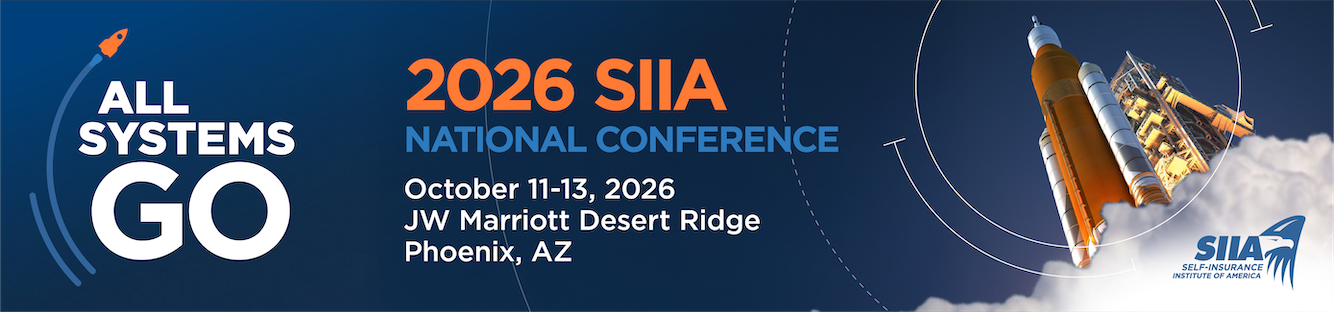
National Conference
October 11 – 13, 2026 | Phoenix, AZ
More Info
MEMBERSHIP LEVELS
SIIA relies on member support to sustain and continue to expand its commitment to the self-insurance marketplace. Each level provides members with discounted access to conferences, exhibiting, and advertising opportunities.
Diamond

Our highest membership level provides the most support and benefits which include 3 passes to all conferences, inclusion on committees, and access to strategic planning sessions with SIIA leadership.
Gold

In addition to all Silver level benefits, Gold members receive two passes to any SIIA conference, company listing on the SIIA website and preferred consideration for committee participation.
Silver

In addition to all Corporate level benefits, Silver members receive a company listing on the SIIA website and preferred consideration for committee participation.
Corporate

Engage with the self-insurance marketplace through Members Only online content, legislative updates, industry publications and substantial discounts on conferences and advertising.
PUBLICATIONS
Stay informed on industry happenings and connect with industry experts.

The Self-Insurer
SIIA's official publication includes articles on the hottest topics in the self-insurance and captive industries. Reaching over 15,000 readers worldwide, The Self-Insurer has been at the forefront of thought leadership since 1984 and is a trusted source for self-insured employers, TPAs, MGUs, Stop- Loss carriers, PBMs, and supporting organizations.
The Self-Insurance DIRECTORY
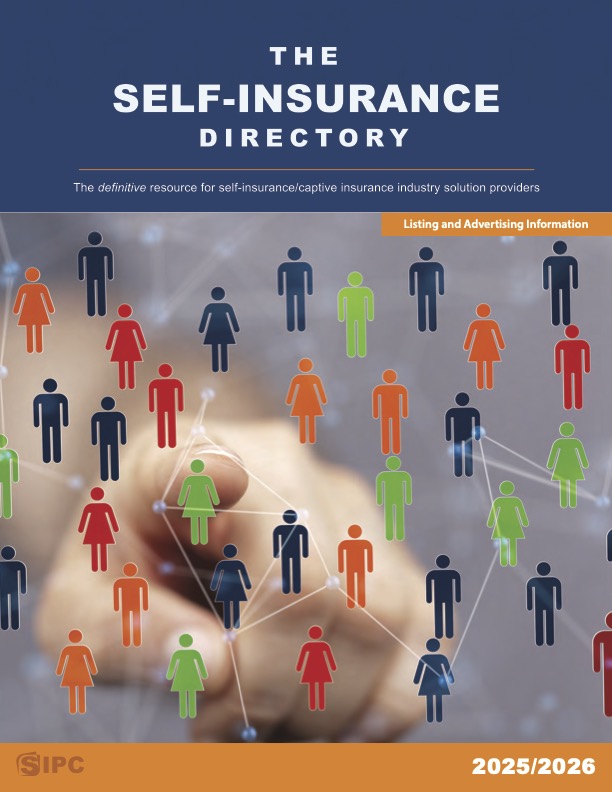
The DIRECTORY is the "Who's Who" of companies that offer products and/or services that support self-insured employers and the captive industry. This resource is provided online, at SIIA conferences and distributed to companies that need assistance in setting up a self-insured plan.
DIAMOND MEMBERS
"Thank you" to SIIA's Diamond Members who have demonstrated their commitment to SIIA’s efforts. Please click on their logos to visit their websites and learn how each plays an important role in our industry.
.png)
.png)
.png)
.png)

.png)
-01(1).png)